Russian Blue Kitten Adoption, Price, Personality & Care Guide in 2026

If you’ve ever had the pleasure of meeting a Russian Blue Kitten, you know that there is something really mesmerizing about this cat. The soft velvety blue-gray coat glows in the light in a way that makes them seem almost mystical, and their calm, reserved green eyes appear to contain centuries of knowledge. Unlike many kittens that are too mischievous or demanding, Russian Blues find a nice balance.
They are inquisitive, playful, and loving, yet they also possess an elegance and composure that is unusual in young cats. Having a Russian Blue Kitten is not simply a matter of taking home a pet it’s about starting a bond that can last 15 to 20 years and be filled with loyalty, friendship, and unobtrusive devotion.
Russian Blue Kitten Appearance & Personality

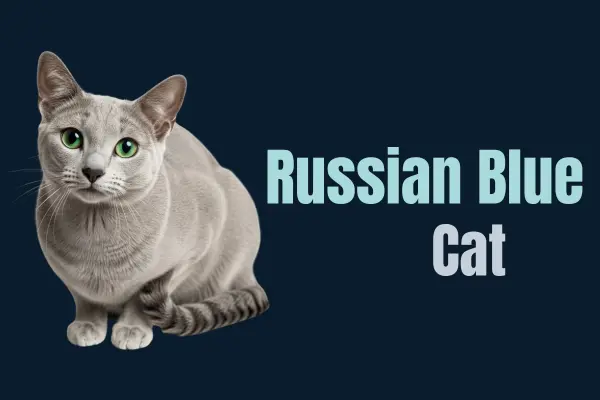
A Russian Blue Kitten begins life small but even at the early stage of that first few weeks is unmistakable in its beauty. They are usually born with bluish or yellowish-colored eyes, which gradually change their characteristic bright green as they grow up. Their very plush double-layered coat stands erect, giving them a bigger-than-life look. This silvery-tipped coat shines brightly in sunlight and is as soft as velvet to the touch. Their triangular faces, long legs, and erect ears create a pointed, elegant appearance that distinguishes them from other breeds.
In terms of personality, Russian Blue Kittens have been said to be shy initially but extremely loving when they form a bond with you. They will select one or two favorite people and follow them around the house quietly. Though they can be slow with strangers or new places, with time they have a playful, affectionate nature. They are very intelligent and tend to quickly learn routines as well as even accept basic training. Their slightly curled mouths give the impression that they are perpetually smiling, which only adds to their gentle and pleasant nature.
Cost of a Russian Blue Kitten: Adoption vs Breeders

If you’re looking for a Russian Blue Kitten for sale, it’s important to understand the costs and the differences between adoption and breeders. Adoption fees are usually much lower, often ranging between $100 and $300, and frequently include spay or neuter procedures, vaccinations, and microchipping. Many Russian Blue Kittens come into rescues due to family changes, allergies, or owners who underestimated the breed’s shy nature. Aiding is not only cost-saving but also providing a kitten with a much-deserved second chance. You can check our detailed guide on Russian Blue Cat Breeders guide .
Alternatively, if you buy from a breeder, be prepared to shell out between $800 to $2,500 based on the reputation of the breeder and the bloodline of the kitten. Pet-quality kittens are at the lower end of the spectrum, while show-quality kittens with pedigrees and championship bloodlines are more expensive. A responsible breeder will offer up health records, let you see the parent cats, and offer advice on how to care for your kitten.
Watch out for scams, though anyone selling a Russian Blue Kitten for several hundred dollars on the internet is probably not legitimate. Always check breeder credentials with reputable registries like the Cat Fanciers’ Association (CFA) before deciding.
Getting Your Home Ready for a Russian Blue Kitten
It’s fun to bring a new kitten home, but preparation is the key to ensuring that the transition is a smooth one. Russian Blue Kittens are naturally suspicious, and so a quiet, safe room will allow them to feel secure. Begin by preparing a single room with all they will require: a litter box with unscented litter, stainless steel or ceramic food and water bowls, a warm bed, and some toys. Keep this room calm and free from loud noises or frequent visitors, allowing your kitten to adjust at their own pace.
You’ll also want to kitten-proof the rest of your home before giving them free roam. Hide electrical cords, keep small objects out of reach, and block off unsafe spaces. A scratching post or cat tree is a must not only will it save your furniture, but it will provide your kitten with a healthy outlet for scratching and climbing. Interactive toys like feather wands, puzzle feeders, and balls will keep their clever minds busy and also help them connect with you.
Kitten Care: Diet, Grooming, and Training
Diet is one of the most significant factors involved in raising a healthy Russian Blue Kitten. These kittens are voracious eaters and may tend to overeat when food is available all the time. Throughout the first six months, give them three to four small meals daily of high-protein kitten food. Taper this down to two to three meals as they age. It is best to have a mix of wet and dry food wet food ensures that they are well-hydrated, while dry kibble aids in oral care. Foods containing fillers such as corn or soy should be avoided since they contribute to obesity. Check our detailed guide on How to Train a Russian Blue Cat.
Despite their thick double coat, Russian Blue Kittens are surprisingly low-maintenance when it comes to grooming. A weekly brushing is usually enough to keep their coat healthy and shiny. You’ll also want to trim their nails every couple of weeks, check their ears monthly, and introduce dental care early to avoid gum issues later on.
Training is where Russian Blue Kittens truly excel. They are smart, inquisitive, and responsive to learning. Most will learn to litter train in a matter of seconds, as long as the box remains clean and within reach. They can also learn basic commands or even leash-walking with persistence and reward. Redirection of scratching behavior is essential direct them to a scratching post early to prevent the formation of bad habits.
Socialization and Behavior Stages
As with all cats, Russian Blue Kittens have distinct stages of life, and knowing them will enable you to give them the proper care. From 0–6 months, they are playful, inquisitive, and learning new things. This is the ideal time to introduce them to litter training, novel toys, and gentle petting. During the juvenile period (6–12 months), their personalities are solidifying. They can begin to be loyal to their favorite people but remain wary of strangers.
Russian Blues settle into becoming calmer and more reliable as they transition into adulthood (1–7 years). Russian Blues love routine and are most content in calm, quiet settings. Elderly Russian Blues (7+ years) will still slow down a bit but remain fiercely loving companions. During this stage, they require special diets and regular vet visits to ensure they remain comfortable.
Health Considerations for Russian Blue Kittens

The Russian Blue is a generally healthy breed, but as with every cat, there are some weaknesses. Obesity is probably the most prevalent, and it can easily happen if their food fascination is not balanced with exercise and portion control. They are also vulnerable to dental problems, so brushing or dental chews are a must. They can develop some bladder stones, and although unusual, hypertrophic cardiomyopathy (HCM), a hereditary heart disorder, has been noted in the breed.
Preventative care makes a big difference. Ensure your kitten gets all his or her shots in the first year and has regular visits to the vet. Spay or neuter at 5–6 months as well, unless you are going to breed responsibly. Yearly parasite prevention, good meals, and regular dental care will ensure your Russian Blue Kitten lives into adulthood.
Russian Blue Kitten Lifespan
One of the best things about having a Russian Blue is their long life. They live anywhere from 15 to 20 years on average, with some lasting until their late teens or early twenties. Their longevity is one reason that selecting this breed is such a significant commitment it’s not merely a matter of a few years’ companionship but possibly two decades of fidelity.
To ensure that your kitten can reach their full potential, prioritize a balanced diet, plenty of exercise through play each day, and regular care from a veterinarian. Equally important is a warm, stress-free home. Russian Blues are also sensitive to noise and stress, so a peaceful home will go a long way towards keeping them happy and healthy. Check our detailed guide on Russian Blue Cat Lifespan.
Who Is the Best Human for a Russian Blue Kitten?

Russian Blue kittens thrive in homes where their quiet, dignified personalities are valued. Families with older kids, singles, or couples with peaceful lifestyles are great matches for this breed. They can learn to live with other animals, particularly if introduced slowly, but prefer a home where their independence is not compromised. Russian Blues prefer indoor living, where they feel protected from boisterous sounds and wayward outdoor experiences.
Giving your Russian Blue lots of climbing areas, snug hideaways, and sunny perches will make your Russian Blue feel safe and happy. If you want a lap cat all the time, this may not be the right breed for you. But if you desire a elegant, loyal friend who will keep your company without being too much, the Russian Blue Kitten could be your ideal companion.
Adoption vs Buying: Making the Right Choice

Where getting a Russian Blue Kitten is concerned, there is no one right solution buying and adopting both come with advantages. Adopting tends to be cheaper, provides a cat with a second chance for life, and sometimes brings home a kitten that already has a little training and veterinary services. Purebred Russian Blue Kittens are not as frequently found in shelters, but they do show up in breed-specific rescues.
Purchasing from a good breeder provides predictability regarding appearance, temperament, and health. Breeders are able to supply pedigree papers and health clearances, and they tend to socialize kittens at an early age. The most important thing is to make sure the breeder is honest and cares more about the welfare of the kittens than making a profit. Whatever you decide, do your homework and be ready for the commitment that comes with this smart, long-lived cat. You can check our detailed guide on Russian Blue Cat Adoption vs Buying guide .
FAQs About Russian Blue Kittens
Conclusion: How to Raise a Happy Russian Blue Kitten
Having a Russian Blue Kitten is not merely a matter of admiring their beauty—it’s about sharing a lifetime commitment with one of the most elegant, loyal, and intelligent cat breeds. From their glistening coats and rambunctious personalities to their lifespan and clingy loyalty, Russian Blues provide companionship unlike any other.
Whether you bring home from a rescue or purchase from a breeder, the most important thing is your willingness to give love, stability, and care. With patience and devotion, your kitten will become a loyal cat that will quietly illuminate your existence for years to come.